Managing Flu Season: Practical Support for Hospitality Venues

Flu season is still active across the UK, and although national flu activity has now decreased to baseline levels, hospitality businesses are continuing to feel the impact of staff illness and operational pressure during the winter period. [gov.uk]
Why Flu Is a Serious Risk for Hospitality
Flu is a respiratory illness that spreads through droplets and contaminated surfaces. Symptoms include fever, cough, sore throat, muscle aches, and fatigue. While unpleasant for individuals, the wider impact on hospitality can be significant – staff absences, operational challenges, and increased pressure on remaining team members. Unlike norovirus, flu can linger for weeks in a workforce if not managed properly.
Sneezes and coughs can also spread other pathogens (in addition to the flu virus), including bacteria such as Staphylococcus aureus, which pose additional infection risks particularly in hospitality settings.
Why Flu Is a Continuing Risk for Hospitality
Flu is a respiratory illness that spreads through droplets and contaminated surfaces. Symptoms include fever, cough, sore throat, muscle aches, and fatigue.
While unpleasant for individuals, the wider impact on hospitality can be significant – staff absences, operational challenges, and increased pressure on remaining team members.
Because flu season typically peaks between December and February in the UK, many venues are still seeing cases among staff and guests. Historical surveillance shows peak flu activity can fall anytime from late autumn to early spring (weeks 43–13), meaning February remains part of the normal seasonal window.
Sneezes and coughs can also spread other pathogens (in addition to the flu virus), including bacteria such as Staphylococcus aureus, which pose additional infection risks, particularly in hospitality settings.
Encouraging Vaccination: Benefits and Practicalities
Although most vaccinations take place earlier in winter, many clinics still offer the flu jab in February. Businesses can continue to support staff who choose to get vaccinated, especially those in higher risk roles.
Consider continuing to support:
- Time off for appointments – Staff may need flexibility to attend clinics without disrupting service.
- Costs – Some employers choose to cover vaccination costs or provide vouchers; others signpost local pharmacies.
- Communication – Explain why vaccination matters for both personal health and business continuity. A clear message helps overcome reluctance and ensures staff feel supported.
Managing Reluctance to Take Time Off
This remains a challenge during any busy winter period.
Reinforce that:
- Staying home protects colleagues and guests
- Staff with flu symptoms should stay home until at least 24–48 hours after fever subsides
- Managers should reassure teams that health and safety are priorities
This is especially important mid season when staff fatigue and repeated exposure increase the risk of further transmission
Hygiene and Respiratory Etiquette
These measures remain essential throughout winter:
- Avoid touching the face unless hands are clean.
- Use signage to remind staff of good hygiene practices, including proper cough and sneeze etiquette and regular handwashing.
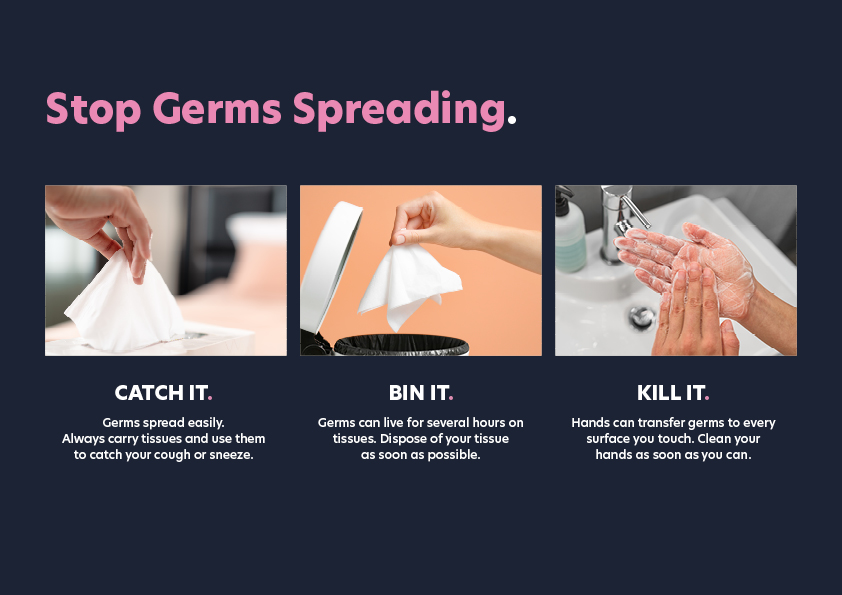
Cleaning and Ventilation
Increase cleaning of high-touch surfaces such as menus, door handles, and card machines. Where possible, improve airflow in indoor spaces to reduce transmission risk. Consider scheduling deep cleans during quieter periods.
Planning for Staff Shortages
Cross-train team members and develop contingency plans to maintain service quality if absences occur. This proactive approach reduces stress and keeps operations running smoothly. Identify critical roles and ensure backup coverage is in place.
Communicating with Guests
Subtle messaging about hygiene measures reassures customers without causing alarm. Visible steps, such as sanitiser stations and clean environments – build confidence and show your commitment to safety.
Protecting Vulnerable Individuals
Hospitality venues often welcome guests and employ staff, some of whom may be more susceptible to severe flu complications – including older adults, pregnant individuals, and those with chronic health conditions.
Practical steps include:
- Seating and timing – Offer quieter areas or off-peak booking options to reduce exposure.
- Enhanced hygiene – Disinfect tables, menus, and payment devices more frequently.
- Staff awareness – Train teams to recognise higher-risk groups and interact respectfully.
- Role adjustments for staff – Reduce exposure to crowded areas or high-contact roles; consider masks if requested.
- Clear communication – Share hygiene measures in a reassuring tone, both online and in-venue.
These measures help protect vulnerable individuals without creating barriers to service.
How Shield Safety Supports You
Shield Assure helps hospitality teams stay on top of day to day safety checks, which becomes especially important during flu season when staff absences and operational pressures can increase. It provides a simple, reliable framework that keeps standards consistent, even when teams are stretched.
If you’d like support strengthening your processes during flu season, contact us here to see how we can help.